Reservoir cleaning in Hungary, Romania and Serbia
Remote robotic sediment removal, planned around your reservoir.
Kasfilter plans cleaning services for large water reservoirs and water towers using the WEDA VR600. A technical assessment determines whether the site is suitable.
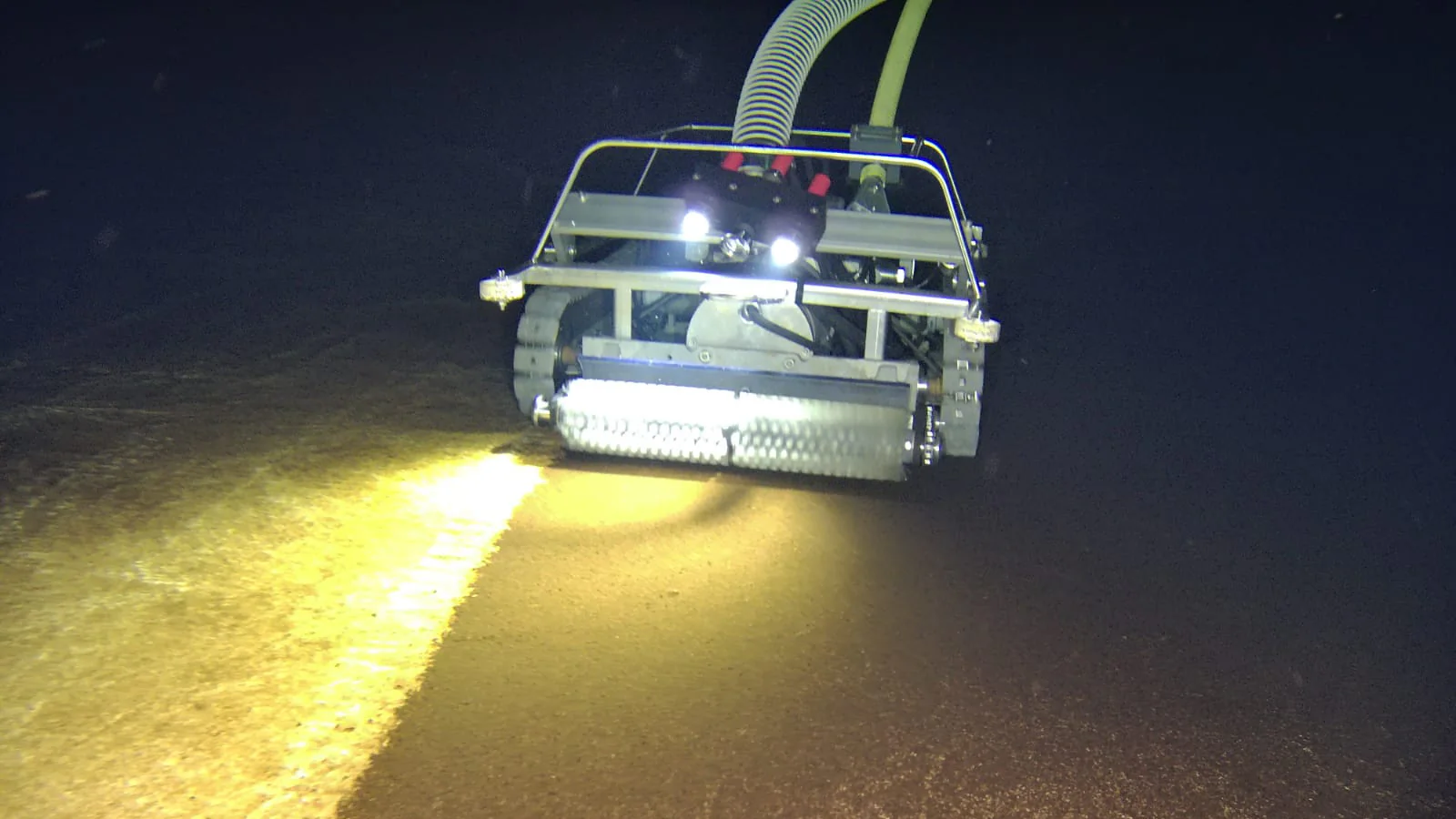
When conventional cleaning creates too much operational burden
Draining and water movement
Fully emptying and refilling a reservoir can require significant planning and water handling.
Capacity out of service
Taking storage offline can make it harder to coordinate supply and maintenance needs.
Confined-space work
Cleaning that requires personnel to enter may demand additional safety procedures and resources.
A service shaped by the technical reality of the site
Submerged system
The VR600 works submerged; the assessment determines whether your reservoir may remain operational.
Remote control
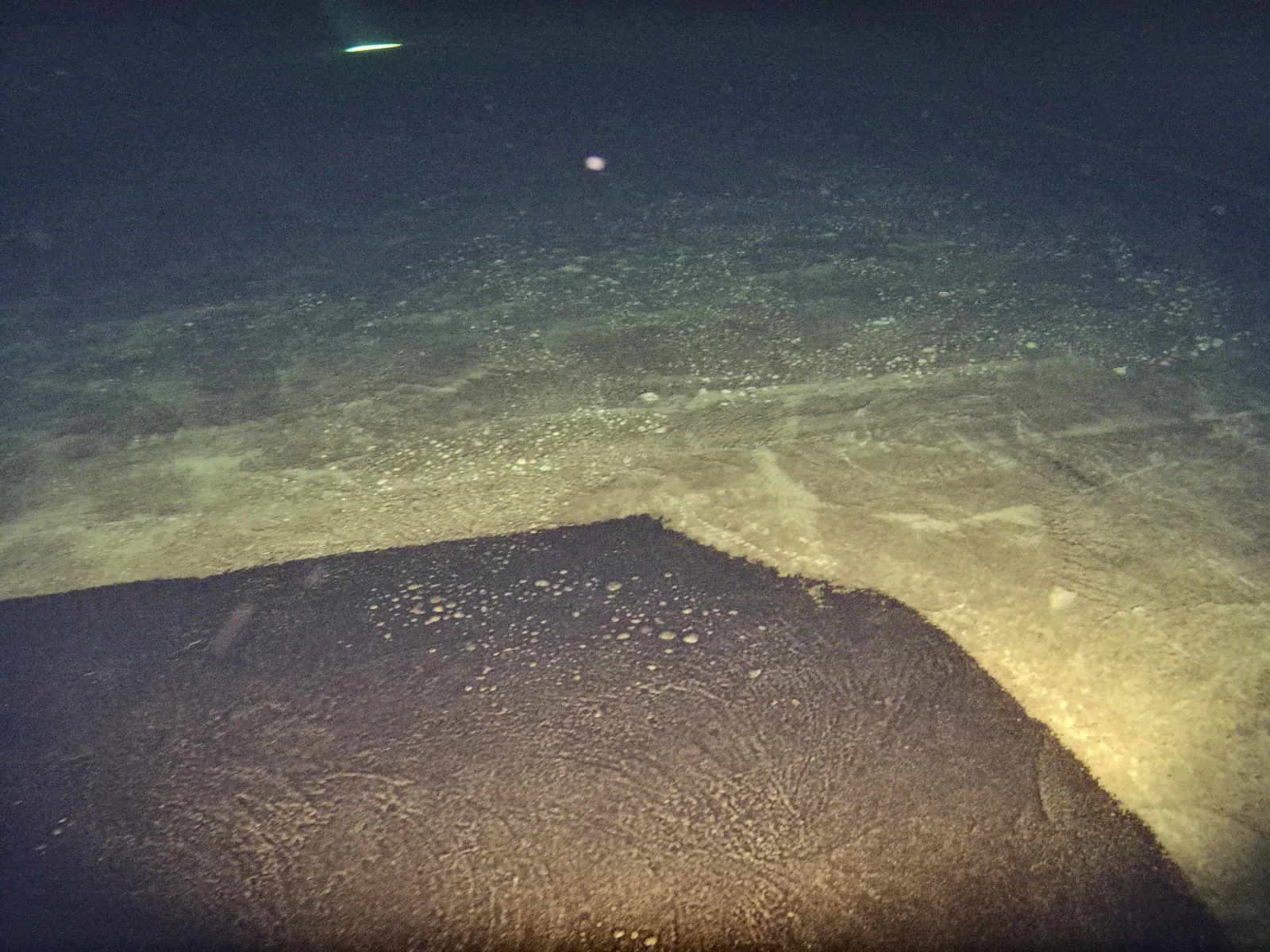
The operator controls the robot from outside while its integrated camera supports the work.
Planned material transfer
The submersible pump and discharge arrangement can be configured for the residue and receiving point.
A documented decision
Available data and site conditions can be turned into a clear suitability decision and delivery plan.
From assessment to close-out
Share site information
You share the reservoir function, geometry, access, the available power supply, where removed water and sediment can go, and any known sediment conditions.
Feasibility review
Kasfilter evaluates whether a VR600-based service is feasible for the stated conditions.
Agree scope and method
If feasible, the parties agree the scope, deployment method, discharge handling and documentation.
Mobilize after agreement
Only after agreement does mobilization proceed, with setup and connections checked against the agreed method.
Service and agreed close-out
Robotic cleaning, material transfer and any agreed documentation then follow the accepted scope.
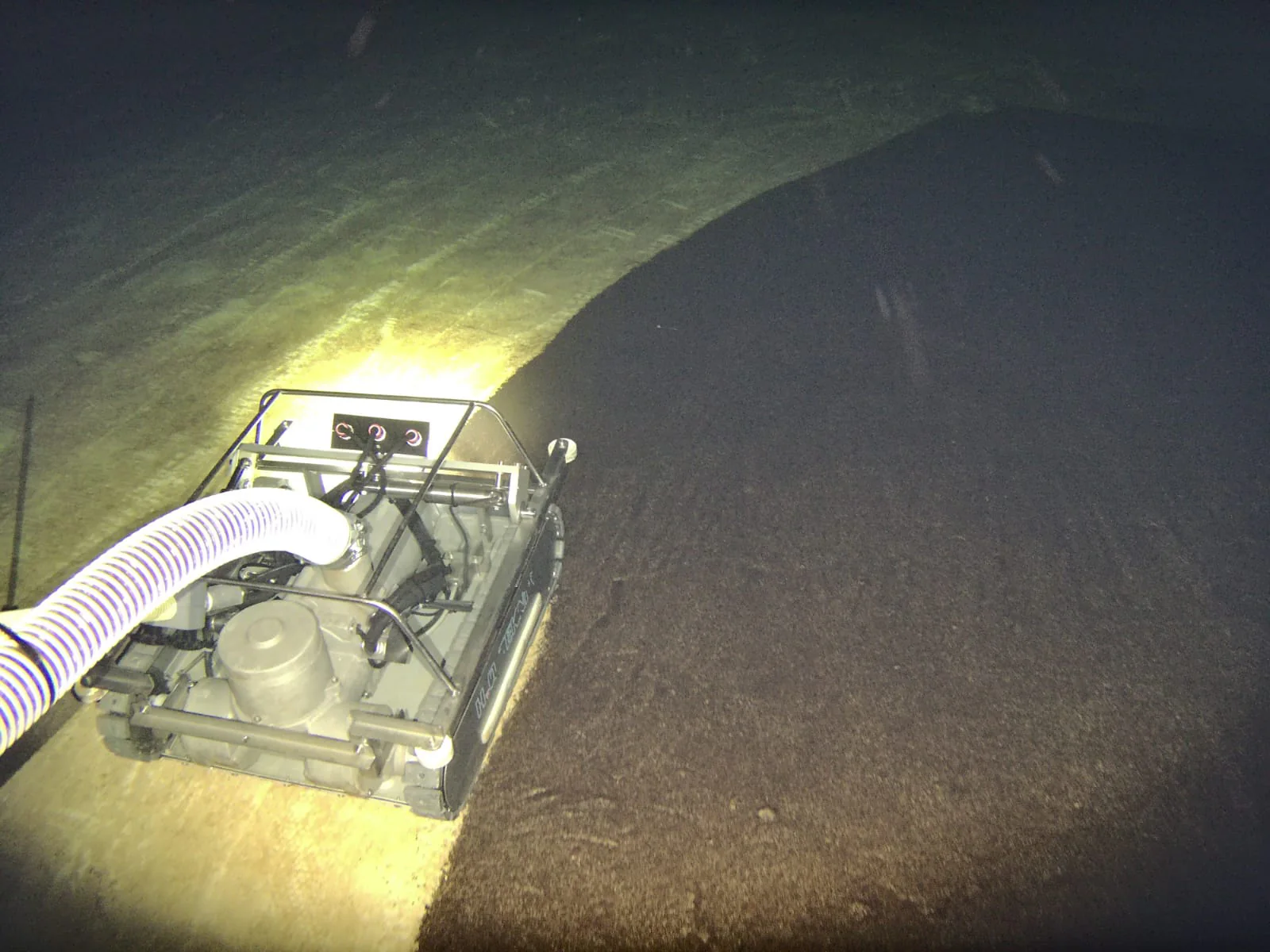
Where could the VR600 be a good fit?
Drinking-water reservoirs
Large municipal reservoirs, subject to the applicable hygiene and operating procedures.
Water towers
Potable-water towers where access and internal layout allow the robot to be deployed.
Municipal water storage
Large-volume storage where operational continuity is an important planning factor.
Industrial raw-water storage
Raw-water reservoirs at industrial sites, using a configuration selected for the water and residue.
This list is indicative. Access size, internal geometry, water-quality requirements, residue and discharge must be assessed for each project.
The service platform
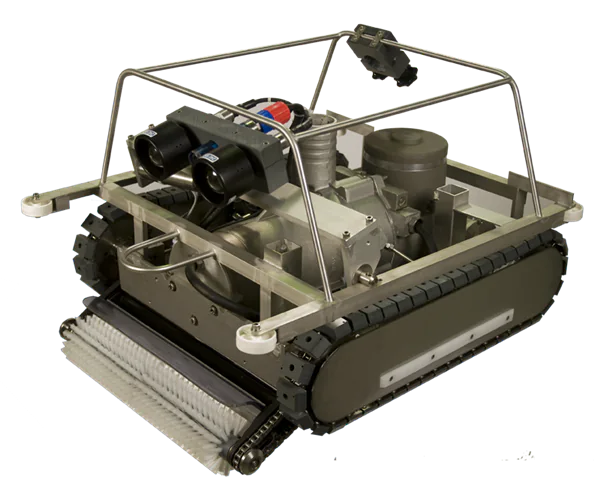
WEDA VR600
The VR600 is a remotely operated machine designed for submerged cleaning in large reservoirs and water towers. Kasfilter treats it as part of a service plan adapted to the assessed site, not as a one-size-fits-all product.
- Control
- Remote operation
- Observation
- Integrated camera
- Power supply
- Three-phase 380/400 V
- Material transfer
- Configurable submersible pump
- Finish
- Coating selected for the water
Traceable manufacturer information
Technical statements about remote operation, the camera, submersible pump, applications and coating options come from WEDA Robotics’ official VR-600 product page.
Assessments in Hungary, Romania and Serbia
Kasfilter coordinates with reservoir operators in all three countries. To begin, share the location, reservoir purpose and the technical information already available.
- Hungary
- Romania
- Serbia

Common technical questions
Can draining always be avoided?
That cannot be promised for every site. Operating, water-quality, access and discharge conditions must be assessed first.
Does anyone need to enter the reservoir for robotic cleaning?
The VR600 is remotely operated. Other work-plan tasks and local safety requirements still need a separate assessment.
How does the operator see underwater?
The VR600 has an integrated camera. Actual visibility depends on the water and suspended material.
What happens to the removed sediment?
The VR600 pumps the loosened sediment out together with water as a slurry, so the cleaning produces waste water that must go somewhere. The pump and discharge can be configured for the site; the receiving point, whether a sewer connection, on-site settling or removal by tanker, and any treatment or disposal obligations are defined in the technical plan with the operator.
How long does cleaning take?
Duration depends on surface area, residue volume, access and material transfer, so it can only be estimated after assessment.
What information should we provide?
Reservoir type, location, dimensions or volume, access opening, water use, known residue conditions, whether a three-phase (380/400 V) power connection is available near the reservoir, where removed water and sediment can be discharged, and desired timing are most useful.
Start with a technical suitability conversation.
Share the information you have; the next step can then be shaped around the site and its operation.
Request a site assessment